The Benefits of Hiring an Asbestos Abatement Company for Your Project
Mold remediation plays a pivotal role in getting rid of mold from both residential and commercial environments. As mold can cause significant health risks and structural harm, it is crucial to promptly address affected areas. If you find yourself in need of mold removal services, researching effective techniques and professional help can be a valuable step toward resolving the issue.
To fully understand mold remediation, one must be aware of when intervention is necessary, the steps involved in the process, and why hiring qualified professionals is vital for proper execution. Attention to safety, thorough evaluations, and prevention strategies are essential components of successful mold remediation at their website.
Steps in the Mold Remediation Process
- Initial Assessment: Conduct a detailed inspection to determine the extent of mold growth and underlying moisture problems.
- Containment: Implement measures like plastic sheeting to contain mold spores during the removal process, preventing them from spreading to other areas.
- Personal Protective Equipment (PPE): Professionals should don PPE, including gloves, goggles, and respirators, to avoid exposure to mold spores while working.
- Removal and Cleaning: Use approved mold removal products to clean surfaces, or substitute materials if necessary, such as drywall or insulation that cannot be fully cleaned.
- Air Filtration: Employ air scrubbers and other filtration systems to remove any airborne spores during the cleanup process.
- Post-Remediation Verification: Conduct tests and inspections following the remediation to ensure that all mold has been effectively eliminated.
Tips for Preventing Mold Growth
Preventing mold growth is often more cost-effective and less stressful than remediation. Here are some proactive strategies:
- Ensure proper ventilation in high-moisture areas, such as kitchens and bathrooms.
- Regularly inspect and repair leaks from roofs, plumbing, and basements.
- Control humidity levels within your home, ideally below 50%, using dehumidifiers when necessary.
- Keep gutters clean and ensure run-off water is directed away from the foundation.
- Consider hiring a professional for a thorough inspection if you suspect mold growth or water leaks.
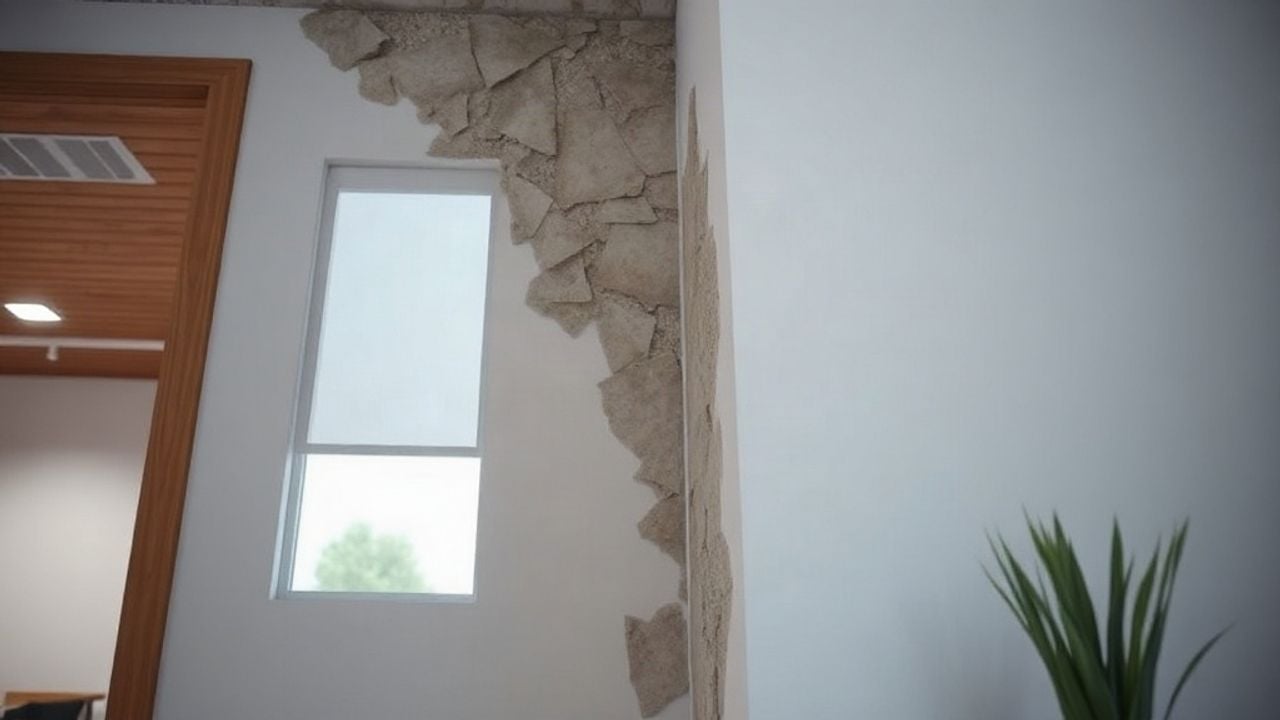 Surrey top Mold RemediationSurrey top Mold Remediation guide
Why Mold Remediation is Essential
Mold has the potential to grow in any wet environment within your home or business, making it imperative to identify moisture build-up early to hinder its growth. The presence of mold can create foul odors and may significantly compromise the integrity of buildings while also leading to serious health complications for the individuals inside. Populations at higher risk include children, the elderly, and those suffering from respiratory conditions. Mold remediation is not merely about superficial cleaning; it aims to diagnose and rectify the underlying issues that lead to mold growth, such as past water damage and inadequate ventilation. Upon discovering mold, it is essential to enlist the help of mold remediation professionals who can ensure thorough cleanup and strategic prevention.
What is Involved in the Mold Remediation Process?
The mold remediation process typically begins with an in-depth inspection and evaluation of the premises. Qualified experts seek to determine the moisture sources responsible for the mold growth. Following this identification, measures are taken to contain the affected areas to prevent spores from disseminating during the cleaning process. Once containment is set up, the actual mold removal work proceeds, which often entails the use of specialized equipment and cleaning solutions. Depending on the level of mold infestation, certain contaminated materials may need to be disposed of. After that, air and surface filtration are carried out to remove remaining spores from the atmosphere. Lastly, establishing a comprehensive plan to tackle moisture problems is critical, which might include strategies like enhancing drainage, improving ventilation, or implementing other structural adjustments to discourage future occurrences of mold.
Choosing a Mold Remediation Provider
Selecting the right mold remediation provider is essential for an effective and safe cleanup process. Start by searching for professionals who are accredited and certified in mold remediation. Look for companies that have experience in identifying and safely removing various types of mold, as well as providing effective post-remediation services. Reading customer reviews and asking for referrals can also inform your choice, helping you gauge the reputation of potential companies. It's advisable to request cost estimates from multiple providers, ensuring you understand what services are included and whether there are additional fees. Communication is key; ensure that the provider explains their process, responds to your questions, and demonstrates a commitment to thoroughness in handling your situation.
Understanding the Cost of Mold Remediation
The financial implications of mold remediation can differ significantly based on various factors such as the degree of infestation and the area impacted. Generally, homeowners should anticipate costs ranging from $500 to $6,000, which can greatly depend on the seriousness of the mold problem. More severe instances that necessitate structural repairs, thorough cleanup, or specialized containment methods might result in even greater expenditures. Additionally, the need for ongoing maintenance and monitoring for potential future issues can increase the overall cost. It is vital to get an itemized quote from any remediation company that outlines all expected expenses to prevent unexpected charges later on. Having a clear understanding of these costs is crucial for effective budget planning and making knowledgeable decisions.
For further insights, a thorough overview of mold remediation can provide essential context regarding this important procedure.
Frequently asked questions
What is Mold Remediation?
The act of mold remediation involves the complete removal of mold and fixing the issues that contribute to its growth, usually by managing moisture levels within the premises.
How do I choose a Mold Remediation provider?
Seek out certified professionals with ample experience, request references, check online reviews, and confirm they offer transparent estimates alongside a comprehensive remediation strategy.
How much does Mold Remediation cost?
The cost for mold remediation varies widely depending on the severity and size of the affected area, typically ranging from $500 to $6,000. Always ask for a detailed estimate to see exactly what services are included.
Can I perform Mold Remediation myself?
Though minor mold problems may be managed by homeowners, larger infestations should be taken care of by professionals to ensure safety and effective removal.
What type of equipment is used in Mold Remediation?
During mold remediation, specialized tools such as air scrubbers, dehumidifiers, and HEPA vacuums are utilized to efficiently eliminate mold spores from the air and surfaces.
When considering Mold Remediation, prioritize evidence of results, precise reporting, and compatibility with your market and deadlines. Be cautious of vague promises lacking a measurement strategy.
Mold remediation is essential for maintaining healthy living conditions. Engaging qualified professionals ensures that mold issues are effectively addressed while safeguarding your property and health.
By understanding the importance of prompt action and comprehensive remediation processes, homeowners can better manage their environments and reduce the likelihood of mold recurrence.